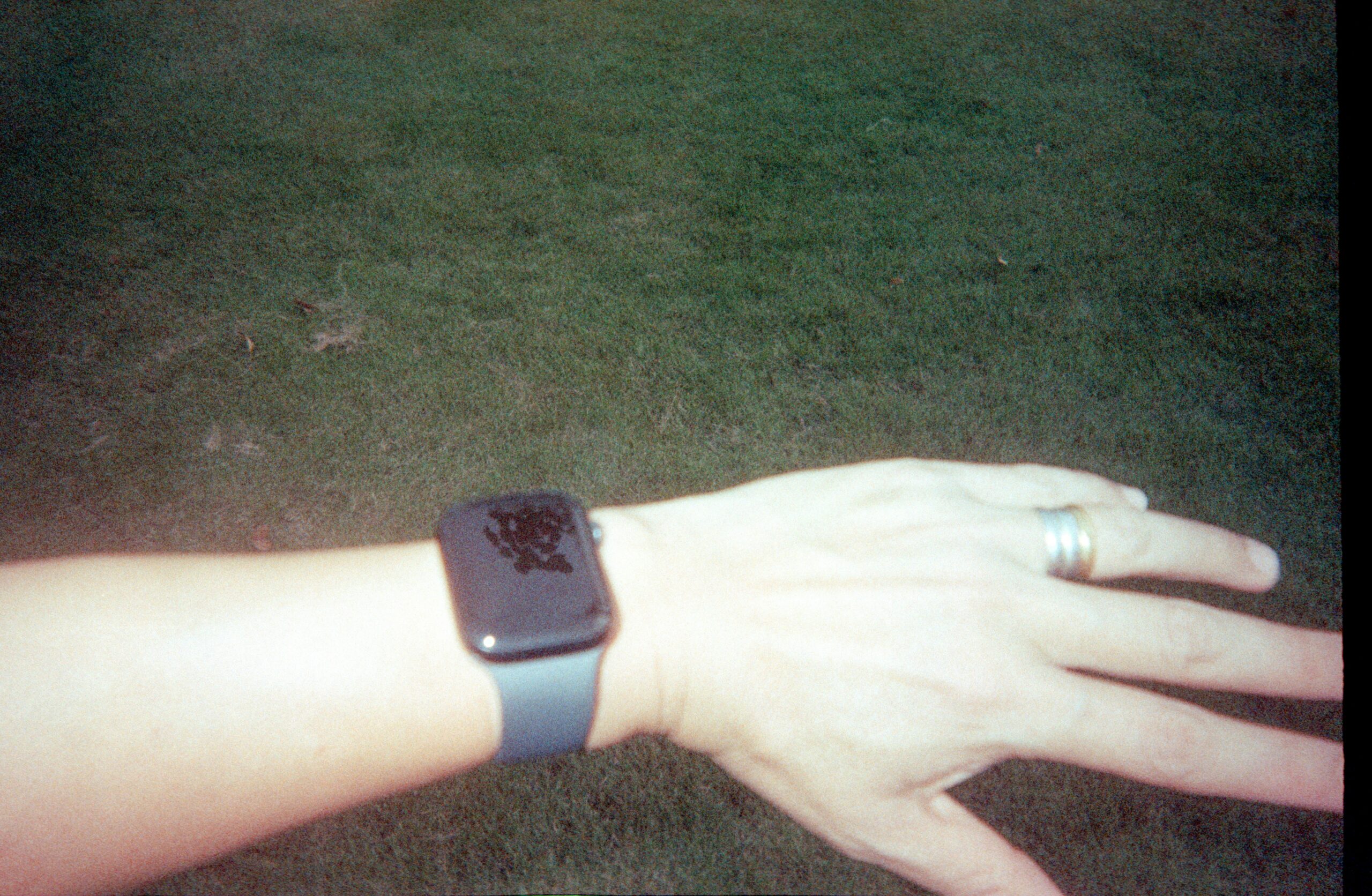
For decades, the healthcare financial model has been predominantly reactive: a symptom appears, a diagnosis is sought, and a treatment protocol—often expensive and invasive—is initiated. This cycle places immense strain on both individuals and the broader system. But a profound shift is underway, moving the locus of control from the clinic to the individual. Fueled by an explosion in sophisticated, user-friendly health technology, the “Quantified Self” movement has evolved from a niche hobby for biohackers into a mainstream strategy for proactive capital allocation in one’s most valuable asset: long-term health. In 2026, the data is becoming unequivocal. Leveraging these tools isn’t just about optimization; it’s a financially astute method for mitigating the risk of catastrophic future medical costs.

From Wearables to Predictives: The 2026 Tech Landscape
The gadgets that started it all—the basic fitness trackers—now seem quaint. Today’s ecosystem is a layered suite of diagnostic-grade tools providing a continuous, multi-parameter stream of physiological data. We’re talking about FDA-cleared smartwatches that perform on-demand ECG and detect subtle atrial fibrillation, continuous glucose monitors (CGMs) used by non-diabetics to understand metabolic health, and at-home blood testing kits that provide quarterly deep dives into biomarkers from inflammation (hs-CRP) to advanced lipid panels. The real revolution, however, lies in the predictive analytics platforms. Companies like Forward and Function Health have pioneered memberships where this torrent of personal data is synthesized by AI, not just to report numbers, but to forecast trajectories. These services identify pre-disease patterns—like creeping insulin resistance or subclinical hypertension—years before they manifest as costly, diagnosable conditions.
How Does This Directly Translate to Cost Savings?
The economic argument rests on a simple premise: preventing a chronic disease is exponentially cheaper than managing one. Consider the annual cost of Type 2 diabetes management, which can easily exceed $10,000 when accounting for medications, specialist visits, and potential complications. Now, imagine an AI-powered health platform flags a user’s CGM data showing consistent, diet-induced glucose spikes. The platform might connect the user with a registered dietitian specializing in metabolic health via its integrated telehealth network. The upfront cost of a few consultation sessions and dietary adjustments pales in comparison to a lifetime of pharmaceutical and clinical intervention. This is the new calculus of healthcare capital allocation.
The High-Value Services Enabling the Transition
This is not a journey of isolated data points. The true value is unlocked by services that bridge the gap between data and actionable, clinically sound guidance. This is where high-intent commercial bridges become critical.
What Are the Best Personal Health Dashboard Platforms?
Gone are the days of siloed app data. The premium service now is the unified dashboard. Platforms like Apple Health (with its recently launched “Health Insights” subscription) and Whoop 4.0 act as central hubs, ingesting data from wearables, lab results, and even at-home DNA methylation age tests. They provide longitudinal analysis, correlating sleep quality with resting heart rate variability (HRV) and blood pressure trends. For the savvy individual, subscribing to such a platform is akin to hiring a personal chief health officer.
Which Concierge Medicine Services Integrate Quantified Self Data?
The traditional 15-minute doctor’s appointment cannot parse 90 days of granular health data. This has fueled the rise of a new breed of concierge primary care physicians and direct primary care (DPC) memberships. These practitioners build their service model around deep dives into patient-generated health data. For a monthly or annual retainer, patients receive unlimited access, comprehensive health planning sessions, and a care team that helps interpret wearable data in a medical context. This proactive, preventive relationship is the antithesis of fee-for-service sick care and is proving to be a powerful deterrent against emergency room visits and specialist referrals.
Case Study: Mitigating Cardiovascular Risk Before the First Prescription
Let’s examine a real-world financial scenario. David, 48, has a family history of heart disease. His traditional annual physical showed borderline high LDL cholesterol. The old-model next step might have been a statin prescription. Instead, David’s concierge medical team had him wear a validated blood pressure monitor for two weeks and use a personal ECG device post-exercise. The data revealed episodic hypertension and occasional PVCs (premature ventricular contractions) triggered by poor sleep and stress. His care plan, co-created with his physician, included a stress-management program via Headspace for Healthcare, a consultation with a sleep hygiene coach, and a tailored nutrition plan. Two years later, his lipid panel improved, his blood pressure normalized, and he avoided medication—potentially saving tens of thousands in future cardiac event costs and lifelong pharmacy bills.
Navigating the Pitfalls: Data Anxiety and Privacy
The path is not without its challenges. “Data anxiety” is a recognized phenomenon, where individuals become overly preoccupied with every biometric fluctuation. The key is context, which is why the role of the guiding professional—whether a concierge doctor or a certified health coach—is indispensable. They help differentiate signal from noise.
Furthermore, the privacy implications of housing your most intimate biological data are profound. When selecting a health data aggregation platform, due diligence is non-negotiable. Investigate their data monetization policies, encryption standards, and compliance with regulations like HIPAA and GDPR. Your health data is your intellectual property; treat its stewardship with the gravity of a financial portfolio.
The Future is Proactive: A New Financial Health Metric
As we look beyond 2026, the convergence of biotechnology, AI, and consumer health tech will only deepen. Implantable sensors for core-body metrics and AI-driven “digital twin” simulations for personalized drug and lifestyle responses are on the horizon. The most financially astute individuals are beginning to view their health technology expenditure not as a discretionary cost, but as a critical component of their long-term investment strategy—a hedge against medical inflation and future disability.
The Quantified Self movement has matured into a fundamental tool for healthcare consumer empowerment. By investing in sophisticated monitoring, partnering with high-touch medical services that value prevention, and taking ownership of the data narrative, individuals are fundamentally rewriting the economic contract of their healthcare. They are moving from being passive patients absorbing costs to proactive health managers optimizing for vitality and financial resilience. The ultimate ROI is measured not just in dollars saved on medical bills, but in decades of healthy, high-quality life gained.
Photo Credits
Photo by DL314 Lin on Unsplash
- The Integrated Life: How FinTech and HealthTech Are Merging Into a Single Command Center for Well-Being – 16/03/2026
- Navigating Health Insurance Tech in 2026: Tools to Maximize Your Coverage and Minimize Costs – 16/03/2026
- Beyond the Nest Egg: How AI Financial Advisors Are Revolutionizing Retirement Planning with Health Risk Analysis – 16/03/2026

•
Leave a Reply